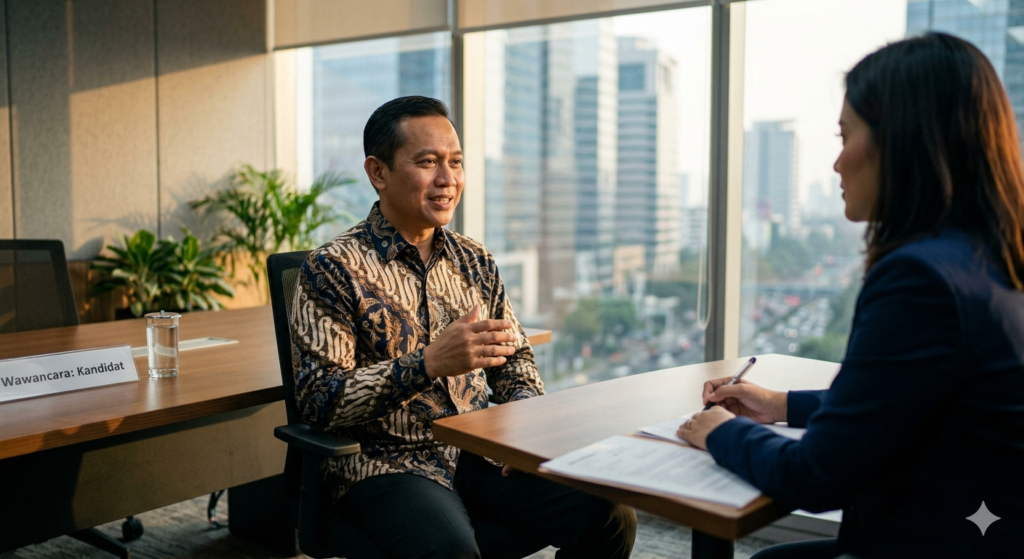
Stepping into your first job interview can feel both exciting and intimidating. It’s a major milestone—your opportunity to turn your education, skills, and potential into a real career path. The good news? Preparation can make all the difference. With the right approach, you can walk into your interview feeling confident, capable, and ready to impress.
1. Understand the Role and Company
Before anything else, take time to research the company and the position you’re applying for. Carefully read the job description and identify the key responsibilities and required skills. Then, explore the company’s website, social media, and recent news.
Ask yourself:
- What does this company value?
- What problems are they trying to solve?
- How can I contribute?
This knowledge helps you tailor your answers and show genuine interest.
2. Practice Common Interview Questions
While you can’t predict every question, many interviews follow similar patterns. Practice answers to common questions like:
- “Tell me about yourself”
- “What are your strengths and weaknesses?”
- “Why do you want to work here?”
Structure your answers clearly. A helpful method is the STAR technique (Situation, Task, Action, Result) for behavioral questions. Practicing out loud can make your responses sound more natural and confident.
3. Prepare Your Own Questions
Interviews are a two-way conversation. Asking thoughtful questions shows curiosity and initiative. Consider questions like:
- “What does success look like in this role?”
- “What are the biggest challenges the team is facing?”
- “How would you describe the company culture?”
Avoid asking questions that can easily be answered through basic research.
4. Plan Your Outfit
First impressions matter. Choose an outfit that is clean, professional, and appropriate for the company’s culture. When in doubt, it’s better to be slightly overdressed than underdressed.
Make sure everything fits well and is comfortable—you don’t want to be adjusting your clothes during the interview.
5. Organize Your Materials
Bring copies of your resume, a list of references, and any other required documents. Keep them neatly organized in a folder. Even if the interviewer already has your resume, having extras shows preparedness.
6. Practice Your Body Language
Non-verbal communication is just as important as what you say. Pay attention to:
- Eye contact
- Posture
- Handshake (if in person)
- Facial expressions
Aim to appear confident, attentive, and engaged. A genuine smile can go a long way.
7. Plan Ahead for Logistics
Whether your interview is in-person or virtual, plan ahead:
- For in-person: Know the location, route, and travel time. Arrive 10–15 minutes early.
- For virtual: Test your internet connection, camera, and microphone. Choose a quiet, well-lit space.
Being punctual shows respect and professionalism.
8. Manage Your Nerves
Feeling nervous is completely normal, especially for your first interview. Instead of trying to eliminate nerves, focus on managing them:
- Take deep breaths before the interview
- Remind yourself that the company already sees potential in you
- Think of the interview as a conversation, not an interrogation
Confidence grows with preparation.
9. Follow Up After the Interview
After the interview, send a short thank-you message within 24 hours. Express appreciation for the opportunity and briefly reinforce your interest in the role.
This simple step can leave a lasting positive impression.
Final Thoughts
Your first job interview is a learning experience as much as it is an opportunity. Even if things don’t go perfectly, each interview helps you improve for the next one. Preparation, practice, and a positive mindset will set you apart from other candidates.
Remember: you don’t need to be perfect—you just need to be prepared and authentic.